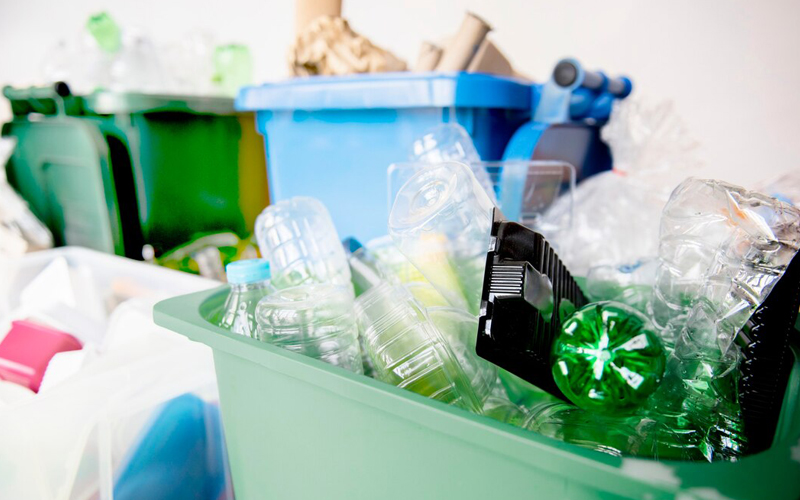
Plastic Waste Processors constitute the operational foundation of India’s plastic waste EPR implementation, serving as registered entities responsible for collecting, segregating, and processing post-consumer plastic waste through scientifically approved methodologies including recycling, waste-to-energy conversion, waste-to-oil processing, and industrial composting of biodegradable materials. Under the Plastic Waste Management Rules and EPR Guidelines, these processors generate EPR certificates based on actual quantities of plastic waste processed, creating market-based mechanisms that enable producers, importers, and brand owners to fulfill their Extended Producer Responsibility obligations through certificate purchase and trading. Plastic waste processors must demonstrate technical capability, environmental compliance, and processing capacity for managing different plastic waste categories while maintaining detailed documentation supporting certificate generation and regulatory compliance.
Registration requirements for plastic waste processors involve comprehensive technical and regulatory documentation through concerned State Pollution Control Boards, demonstrating capacity for environmentally sound processing of different plastic waste streams. Processors must obtain authorization under relevant waste management rules, valid consent certificates under Air and Water Acts, environmental clearance certificates where applicable, detailed facility descriptions including installed processing capacity and technology specifications, proof of technical qualifications and trained personnel for plastic waste management, financial capability documentation, and comprehensive standard operating procedures for different processing methodologies. The registration process includes mandatory site inspections by SPCB authorities to verify infrastructure adequacy, technology compliance, emission control systems, and environmental protection measures before granting operational authorization with specific processing capacity limits.
EPR certificate generation mechanisms operate on scientifically determined conversion factors linking input plastic waste quantities to processed output volumes, ensuring accurate accounting of recycling performance while providing flexibility for various processing technologies. Recycling processors generate certificates based on actual quantities of plastic waste converted into recycled products meeting specified quality standards, with certificate quantities calculated using conversion factors accounting for processing efficiency and material recovery rates. Waste-to-energy facilities generate certificates based on plastic waste quantities processed for energy recovery, while waste-to-oil processors issue certificates corresponding to plastic waste converted into fuel products. Industrial composting facilities generate certificates for biodegradable plastic processing, with specific requirements for composting duration and quality standards.
Processing technology requirements ensure environmentally sound management while maximizing resource recovery from plastic waste streams. Mechanical recyclers must demonstrate capability for efficient sorting, cleaning, and reprocessing of different plastic polymer types, maintaining quality standards for recycled products suitable for manufacturing applications. Chemical recyclers require advanced technology for polymer depolymerization and material recovery, with strict environmental controls for emission management. Waste-to-energy facilities must maintain sophisticated emission control systems and energy recovery mechanisms meeting environmental standards. All processors must maintain detailed records of input materials, processing methodologies, output quantities, environmental monitoring data, and certificate generation supporting regulatory compliance and market transparency.
The framework emphasizes that certificate generation must align with actual processing capacity and documented waste processing activities, with installed capacity serving as maximum limits for certificate generation. Electronic trading platforms have been established for EPR certificate transactions, with CPCB setting price ranges between 30% and 100% of environmental compensation rates for non-compliance.
Strategic success for plastic waste processors requires integration of technical expertise, regulatory compliance, market development, and stakeholder engagement across the plastic waste management ecosystem. Leading processors invest in advanced processing technologies, develop comprehensive collection partnerships, establish quality assurance systems, and may integrate vertically into collection and material processing operations. Understanding regulatory requirements, technology trends, market dynamics, enforcement mechanisms, and certificate trading procedures is essential for building sustainable plastic waste processing enterprises that contribute effectively to India’s EPR implementation while maintaining competitive positioning and profitability in the evolving waste management sector supporting circular economy objectives and environmental protection goals.

Frequently Asked Question (FAQs)
1. Who are Plastic waste processors under Plastic waste management?
Plastic Waste Processors constitute the operational foundation of India’s plastic waste EPR implementation, serving as registered entities responsible for collecting, segregating, and processing post-consumer plastic waste through scientifically approved methodologies including recycling, waste-to-energy conversion, waste-to-oil processing, and industrial composting of biodegradable materials.
2. Is registration mandatory for plastic waste recyclers?
Yes. All plastic waste recyclers and processors must obtain registration from the concerned pollution control authority to legally collect, recycle, or process plastic waste.
3. What documents are required for PWP registration?
Commonly required documents include:
- GST certificate
- PAN card
- Company registration certificate
- Factory license
- Consent to Operate (CTO)
- Machinery and processing capacity details
- Site photographs and layout
- Authorized signatory details
Requirements may vary depending on the type of processing facility.
4. How do recyclers support EPR compliance?
Recyclers help producers, importers, and brand owners fulfill their EPR obligations by processing collected plastic waste and generating recycling certificates or documentation as proof of recycling activities.
5. What are the consequences of operating without proper authorization?
Unauthorized recycling or plastic waste processing may result in penalties, closure notices, legal action, cancellation of operations, and environmental compensation charges from regulatory authorities.