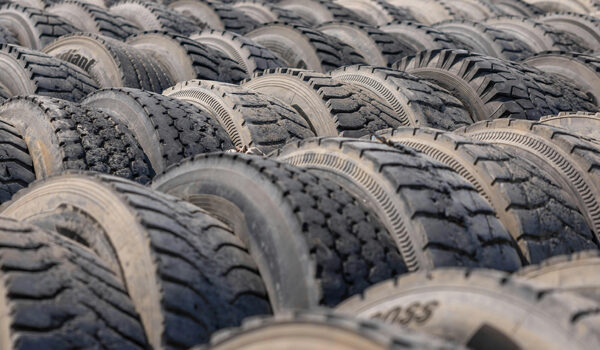
Tyre producers under the waste tyre EPR framework encompass a comprehensive range of entities responsible for introducing new tyres into the Indian market, bearing Extended Producer Responsibility for managing waste tyres generated throughout their products’ lifecycle. The regulatory definition includes manufacturers producing and selling new tyres domestically, entities selling new tyres under their own brands manufactured by others, importers of new tyres, automobile manufacturers importing tyres for new vehicles sold domestically, businesses importing vehicles fitted with new tyres, and importers of waste tyres for processing purposes.
Registration requirements for tyre producers involve detailed documentation through the CPCB waste tyre EPR portal (eprtyres.cpcb.gov.in), including company incorporation certificates, manufacturing or import licenses, GST and PAN registration details, product specifications with tyre categories and technical documentation, production or import data for previous three financial years, authorized signatory identification documents, and comprehensive Extended Producer Responsibility action plans outlining collection, recycling, and retreading strategies. Automobile manufacturers importing tyres must provide additional documentation including vehicle import details, tyre specifications for different vehicle models, and comprehensive waste management plans addressing tyres from both imported vehicles and replacement tire sales. The registration process involves technical evaluation of production or import operations, assessment of waste management capacity, and verification of compliance arrangements with registered recyclers and retreaders.
EPR obligations for tyre producers require 100% collection and processing of waste tyres equivalent to their production or import volumes in preceding financial years, with flexibility to achieve compliance through recycling, retreading, or combinations of both processing methods. Domestic manufacturers must ensure collection and processing of waste tyres equivalent to their annual production volumes, while importers face 100% recycling obligations for imported quantities. Automobile manufacturers bear responsibility for tyres fitted on imported vehicles plus any separately imported replacement tyres. The framework recognizes both recycling and retreading as valid waste management options, with recyclers generating EPR certificates based on processed quantities and retreaders generating retreading certificates for tyres whose useful life is extended through approved retreading processes.
Collection mechanisms require producers to establish comprehensive networks spanning automotive service centers, tyre retailers, fleet operators, and institutional vehicle users to ensure systematic channeling of waste tyres to registered processing facilities. Producers must develop collection infrastructure proportionate to their market presence and distribution channels, often requiring partnerships with tire dealers, service centers, and specialized collection agencies to achieve comprehensive geographic coverage. The framework emphasizes proper storage and transportation of waste tyres to prevent environmental hazards including fire risks, vector breeding, and landscape degradation while ensuring systematic delivery to registered recyclers and retreaders equipped for environmentally sound processing.
Implementation involves sophisticated tracking systems linking tyre sales, collection achievements, processing performance, and certificate management through quarterly and annual reporting obligations via the online portal. Producers must maintain detailed records of tyre specifications, sales volumes by category, collection quantities, processing partnerships, certificate purchases, and compliance achievements across different geographic markets. Recent developments have emphasized enhanced enforcement mechanisms, standardized processing technologies, and integration with cement industry co-processing applications that utilize waste tyres as alternative fuel while generating EPR certificates. The evolving framework promotes innovation in tyre design for enhanced recyclability, development of advanced processing technologies, and creation of circular economy models that maximize material and energy recovery from waste tyres while supporting India’s growing automotive sector and infrastructure development objectives.