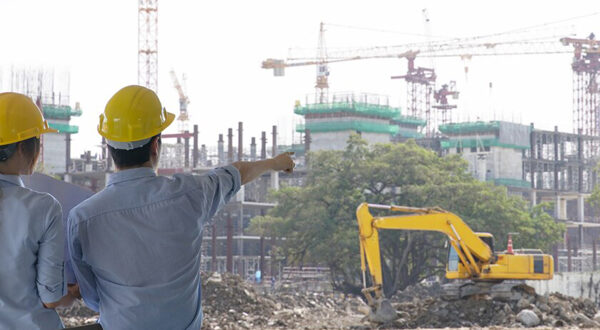
Construction and demolition waste producers, defined as waste generators undertaking building or building complex projects with built-up areas of 20,000 square meters and above, bear primary Extended Producer Responsibility under the Construction and Demolition Waste Management Rules, 2025. This category encompasses real estate developers, infrastructure companies, government agencies undertaking large construction projects, industrial facility developers, and commercial property developers whose projects generate significant quantities of construction and demolition waste requiring systematic management through EPR obligations. Producers assume comprehensive responsibility for planning, implementing, and monitoring waste management throughout project lifecycles, from initial construction through eventual demolition, while promoting circular economy principles through mandatory utilization of recycled C&D materials in new construction activities.
Registration and compliance obligations for C&D waste producers require comprehensive documentation through CPCB-developed online portals, including project approval documents, environmental clearances, building permits, built-up area specifications, construction timelines, expected waste generation estimates based on project scope and construction methods, and detailed waste management implementation plans demonstrating systematic collection, segregation, processing, and utilization strategies. Producers must provide evidence of partnerships with registered C&D waste recyclers, documentation of recycled material utilization agreements, proof of compliance with local building regulations, and comprehensive action plans outlining waste minimization measures, on-site processing capabilities where applicable, and systematic channeling arrangements with authorized processing facilities equipped for converting C&D waste into quality construction materials.
EPR targets for C&D waste producers involve mandatory recycled content requirements starting from 5% of construction materials derived from recycled C&D waste in financial year 2026-27, systematically increasing to 25% by 2030-31, ensuring substantial integration of circular economy principles within large construction projects. These targets apply to various construction materials including aggregates, bricks, blocks, paving materials, and other products manufactured from processed C&D waste meeting quality standards and building code requirements. Producers must demonstrate measurable utilization of recycled materials through verifiable procurement records, quality certification documentation, and compliance with structural engineering specifications that ensure recycled content integration maintains construction quality and safety standards while reducing dependence on virgin materials.
Implementation mechanisms require producers to develop sophisticated waste management systems encompassing waste segregation at source into specific categories including concrete, masonry, metals, wood, and mixed debris, each requiring distinct collection and processing approaches. Producers must establish on-site waste management infrastructure including segregation areas, temporary storage facilities meeting environmental standards, transportation logistics for different waste categories, and coordination with registered recyclers capable of processing various C&D waste streams according to technical specifications. The framework emphasizes on-site processing and local utilization wherever feasible to minimize transportation costs and environmental impacts while promoting decentralized waste management solutions that integrate with local building material supply chains.
Monitoring and reporting requirements involve comprehensive documentation of waste generation quantities, segregation achievements, collection and processing arrangements, recycled material utilization records, and compliance with mandatory recycled content targets through quarterly and annual submissions via online portals. Producers must maintain detailed project documentation linking construction activities with waste management performance, recycled material procurement, quality assurance records, and environmental impact assessments demonstrating measurable progress toward circular economy objectives. Recent policy developments emphasize integration with sustainable construction practices, promotion of green building standards, and coordination with urban local bodies for comprehensive C&D waste management that supports municipal waste reduction goals while creating viable markets for recycled construction materials throughout India’s rapidly expanding urban development and infrastructure construction sectors.