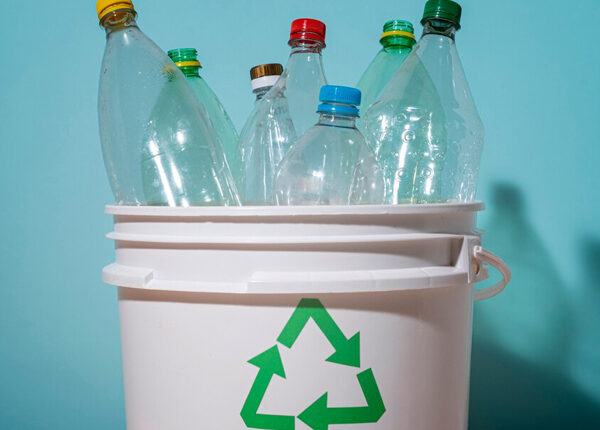
EPR credits are verifiable digital certificates that serve as proof that a specific quantity of plastic waste has been collected and recycled according to Central Pollution Control Board (CPCB) guidelines. The system operates on a market-driven model designed for transparency and traceability:
- Registration and Targeting : Producers, Importers, and Brand Owners (PIBOs) must register on the CPCB portal and are assigned annual recycling targets based on the volume and category of plastic they introduce to the market.
- Credit Generation : Authorized recyclers process plastic waste and upload the details to the EPR portal. Once verified, electronic credits are issued.
- Transactions : PIBOs that cannot meet targets through their own facilities purchase these credits from recyclers or other producers with a “liability surplus” to fulfill their legal obligations.
- Categories : Plastic waste is classified into four categories : Category I (Rigid), Category II (Flexible), Category III (Multi-layered), and Category IV (Compostable). Credits must be adjusted within the same category; for example, Category I credits cannot offset Category II liabilities.
Regulatory and Economic Impact
The success of the EPR framework relies on collaboration across the value chain:
- PIBOs : These entities are directly responsible for meeting annual recycling targets to avoid environmental compensation or suspension of registration.
- Recyclers and Processors : They are the primary issuers of credits. The sale of these credits provides an additional revenue stream, incentivizing investment in collection infrastructure.
- Regulatory Bodies : The Ministry of Environment, Forest and Climate Change (MoEFCC) and CPCB manage the rules and the digital portal, ensuring compliance through audits and annual returns.
Regulatory and Economic Impact
The EPR framework is rooted in the Plastic Waste Management (PWM) Rules of 2016, with significant strengthening via amendments in 2021 and 2022.
- Gradual Scaling : Recycling obligations are set to increase annually. By 2028, producers are expected to meet 60% to 80% of their plastic recovery obligations.
- Food-Grade Innovation : A major turning point occurred in 2025 when the FSSAI issued guidelines allowing the use of recycled PET in food-grade applications, provided the processes ensure zero contamination and full traceability.
- Circular Economy : By attaching economic value to every verified tonne of recycled plastic, the system transforms waste into a resource, encouraging sustainable business practices and infrastructure upgrades.

Validity and Compliance
EPR credits can be carried forward to subsequent years to adjust against future obligations. However, failure to maintain documentation or meet targets can lead to legal notices and environmental compensation fees. Specialized service providers now offer support to businesses for portal registration, credit procurement, and the filing of annual returns to ensure they remain compliant with these evolving standards.