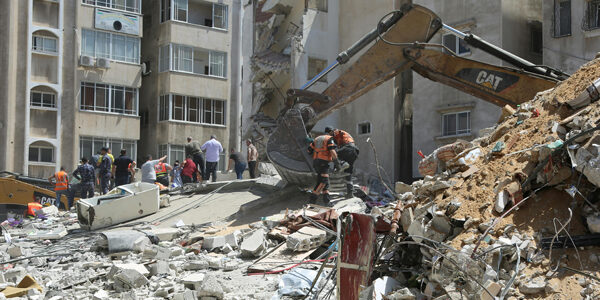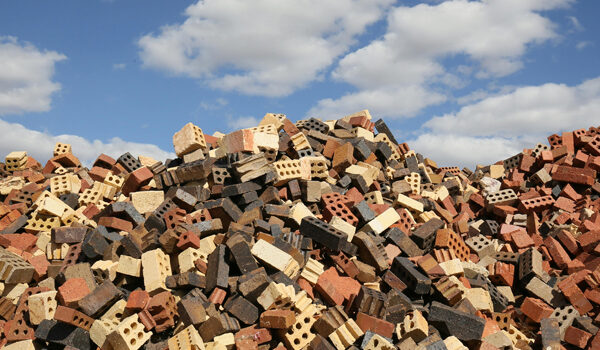
India’s construction and demolition (C&D) waste management has been transformed through the Construction and Demolition Waste Management Rules, 2025, which superseded the 2016 rules and introduced Extended Producer Responsibility for the first time in this sector. The new rules, effective from April 1, 2026, establish EPR obligations for producers defined as waste generators registered on CPCB portals for building or building complex projects with built-up areas of 20,000 square meters and above. This framework mandates that large construction project developers take responsibility for managing C&D waste throughout its lifecycle, including collection, segregation, recycling, and reuse of materials in future construction activities. The rules address the massive environmental challenge posed by construction waste, which constitutes a significant portion of urban solid waste, by promoting circular economy principles and sustainable construction practices.
The 2025 amendments introduce mandatory recycling targets that progressively increase over time, requiring producers to utilize a minimum percentage of recycled C&D waste materials in their construction projects. Starting from financial year 2026-27, at least 5% of construction materials must be derived from recycled waste, increasing systematically to 25% by 2030-31, ensuring substantial integration of recycled content in construction activities. The rules establish a comprehensive framework covering waste segregation into specific categories including concrete, masonry, metals, wood, and mixed debris, each requiring distinct management approaches. Producers must prepare detailed waste management plans documenting expected waste generation quantities, segregation methods, collection arrangements, and recycling strategies, submitting these plans to CPCB through the designated online portal for approval and monitoring.
Registration and compliance procedures require producers to register on the CPCB-developed online portal, providing comprehensive project details including built-up area specifications, construction timelines, expected waste generation estimates, and waste management implementation plans. Required documentation includes environmental clearances, building permits, project approval documents, waste management contractor agreements, recycling facility tie-ups, and compliance undertakings for meeting recycling targets. The registration system facilitates monitoring of waste generation, collection, processing, and utilization data through regular reporting requirements. Registered recyclers and processors must demonstrate technical capability for handling different C&D waste streams, maintaining quality standards for recycled products, and generating utilization certificates based on actual processing quantities for use by producers in meeting their EPR obligations.
The EPR mechanism operates through a utilization framework where registered recyclers process C&D waste into quality-assured recycled products suitable for construction applications including aggregates, bricks, blocks, and paving materials. Producers fulfill their obligations by utilizing these recycled materials in their construction projects and by purchasing utilization certificates from registered processors when direct use is not feasible. The system emphasizes on-site processing and local utilization to minimize transportation costs and environmental impacts while promoting decentralized waste management solutions. Quality standards ensure that recycled C&D materials meet construction requirements and building codes, supporting market acceptance and widespread adoption of recycled content in construction industry practices.
Implementation mechanisms include establishment of collection networks, development of processing infrastructure, and integration with urban local bodies for comprehensive C&D waste management. The rules mandate coordination between waste generators, local authorities, and recycling facilities to ensure efficient waste flow and processing. Recent policy developments focus on technology promotion for advanced processing methods, market development for recycled products, and capacity building for stakeholders in sustainable construction practices. The framework also addresses demolition waste from urban redevelopment projects, building renovation activities, and infrastructure development, ensuring comprehensive coverage of construction sector waste streams while promoting resource conservation and environmental protection.
Successfully implementing C&D waste EPR compliance requires specialized expertise in construction waste management, recycling technologies, regulatory procedures, and sustainable construction practices. Companies must develop integrated strategies encompassing waste minimization, efficient collection systems, quality recycling partnerships, and market development for recycled products to meet their extended producer responsibility obligations effectively. Our consultancy provides comprehensive support for C&D waste EPR registration, waste management plan development, recycler network establishment, compliance monitoring systems, and sustainable construction strategy implementation to help construction companies build environmentally responsible projects while ensuring full compliance with India’s evolving C&D waste management regulations and circular economy objectives.