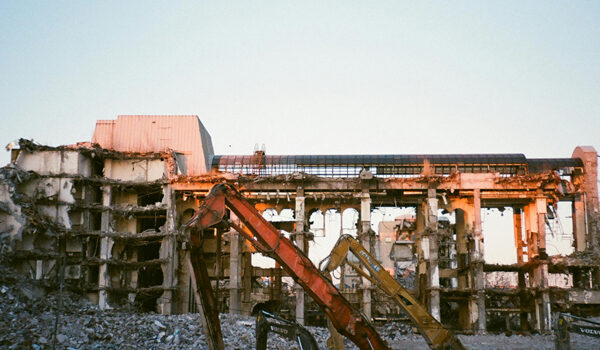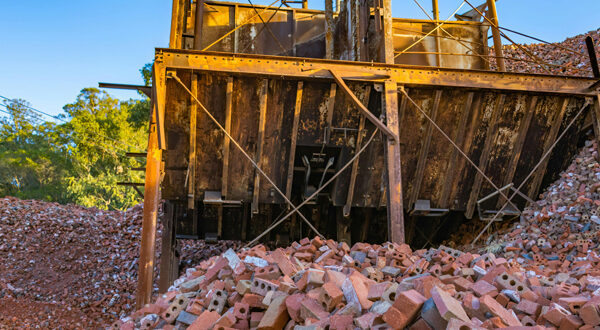
Construction and demolition waste recyclers and processors serve as the essential processing infrastructure within India’s C&D waste EPR framework, are responsible for converting various waste streams including concrete, masonry, metals, wood, and mixed construction debris into quality-assured recycled products suitable for use in new construction projects. These entities must demonstrate technical capability for processing different C&D waste categories through approved methodologies including mechanical crushing, screening, separation, and beneficiation processes that produce recycled aggregates, manufactured sand, bricks, blocks, and other construction materials meeting relevant Indian Standards and building code requirements. Recyclers generate utilization certificates based on actual processing quantities and product quality standards, creating market-based mechanisms that enable producers to fulfill their EPR obligations through certificate purchase and direct material utilization.
Registration requirements for C&D waste recyclers and processors involve comprehensive technical and regulatory documentation demonstrating capacity for environmentally sound processing of different waste categories. Recyclers must obtain appropriate authorizations from State Pollution Control Boards, valid consent certificates under Air and Water Acts where applicable, detailed facility descriptions including installed processing capacity and technology specifications, proof of technical qualifications and trained personnel for C&D waste processing, quality assurance systems ensuring recycled products meet construction standards, comprehensive standard operating procedures for different waste streams, and environmental compliance measures including dust control, noise management, and wastewater treatment systems. The registration process includes facility inspections to verify infrastructure adequacy, processing technology compliance, and environmental protection measures.
Processing technology requirements mandate recyclers to employ advanced methods that maximize material recovery while producing quality recycled products suitable for construction applications. Primary processing involves mechanical crushing equipment capable of handling concrete, masonry, and mixed waste streams while achieving specified particle size distributions for different product applications. Secondary processing requires screening systems, magnetic separation for metal recovery, air classification for lightweight material removal, and washing systems for removing contaminants and fines. Quality control systems must ensure recycled products meet relevant Indian Standards for aggregates, manufactured sand, and other construction materials while maintaining consistency and performance characteristics suitable for structural and non-structural applications in building and infrastructure construction.
Utilization certificate generation operates based on actual quantities of C&D waste processed and recycled products produced meeting specified quality standards and technical requirements. Recyclers generate certificates corresponding to waste processing quantities and product output, with certificate values calculated using conversion factors that account for processing efficiency and product yield rates. These certificates enable producers to demonstrate compliance with recycled material utilization targets either through direct material procurement or certificate purchase arrangements. The system maintains transparency through detailed documentation of input waste specifications, processing methodologies, output product quantities, quality testing results, and end-user delivery records that support overall EPR compliance monitoring and market development for recycled construction materials.