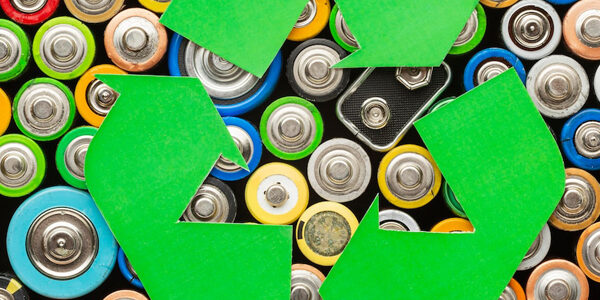
Under the Battery Waste Management Rules, 2022, recyclers must demonstrate technical capability for processing different battery chemistries including lead-acid, lithium-ion, nickel-metal hydride, and alkaline batteries through specialized processes that maximize material recovery while minimizing environmental impact. Recyclers generate EPR certificates based on actual quantities of waste batteries processed and materials recovered, creating a market-based mechanism that enables producers to fulfill their Extended Producer Responsibility obligations through certificate purchase and trading.
Registration requirements for battery waste recyclers involve comprehensive technical and regulatory documentation demonstrating capacity for environmentally sound processing of different battery types. Recyclers must obtain authorization under Hazardous Waste Management Rules from concerned State Pollution Control Boards, valid consent certificates under Air and Water Acts, environmental clearance certificates where applicable, detailed facility descriptions including installed processing capacity and technology specifications, proof of technical qualifications and trained personnel for battery waste management, financial capability documentation, and comprehensive standard operating procedures for different battery chemistries. The registration process includes mandatory site inspections by regulatory authorities to verify infrastructure adequacy, technology compliance, emission control systems, and environmental protection measures before granting operational authorization with specific processing capacity limits and validity periods.
EPR certificate generation mechanisms operate based on actual quantities of waste batteries processed and materials recovered during recycling operations. Recyclers generate certificates corresponding to waste battery weights processed through approved technologies, with certificate quantities calculated using scientifically determined conversion factors that account for processing efficiency and material recovery rates. Certificate denominations and validity periods are specified by CPCB to ensure standardized trading mechanisms while providing flexibility for producers to purchase certificates matching their specific EPR obligations. The system maintains transparency through detailed documentation requirements including input material specifications, processing methodologies, output quantities, material recovery rates, and safe disposal of residual hazardous components.
Processing technology requirements mandate recyclers to employ advanced methods for dismantling, material separation, and recovery of valuable components from different battery types while ensuring safe handling of hazardous substances. Lead-acid battery recycling requires specialized furnace technology for lead recovery, electrolyte neutralization systems, and plastic separation capabilities. Lithium-ion battery recycling demands sophisticated dismantling procedures, thermal treatment systems for material recovery, and specialized handling of lithium, cobalt, and nickel components. Processing facilities must maintain strict environmental controls for emission management, wastewater treatment, and solid waste disposal while achieving specified material recovery targets that support circular economy objectives within the battery manufacturing sector.