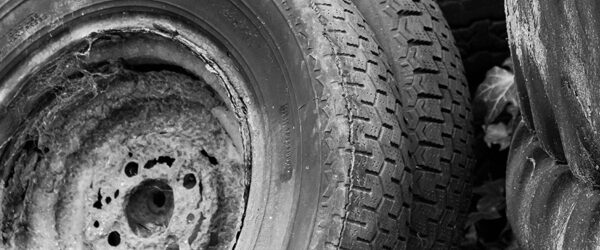
Under the waste tyre EPR framework, retreaders are recognized as legitimate processors who contribute to waste minimization by delaying tyre entry into recycling streams while providing cost-effective tyre solutions for commercial vehicle operations, fleet management, and price-sensitive market segments. Retreaders generate retreading certificates that provide temporary EPR obligation postponement for producers, with final responsibility transferring back upon reaching end-of-life for retreaded tyres. This approach promotes resource efficiency, reduces overall waste generation, and supports circular economy principles within the automotive sector.
Registration requirements for tyre retreaders involve comprehensive documentation through the CPCB waste tyre EPR portal, including company incorporation certificates, retreading facility licenses, technical capability certifications, quality assurance system documentation, environmental compliance certificates, detailed facility descriptions including retreading capacity and technology specifications, proof of technical qualifications and trained personnel for retreading operations, and comprehensive standard operating procedures for different tyre categories and retreading methods. Retreaders must demonstrate compliance with Bureau of Indian Standards specifications for retreaded tyres, maintain appropriate testing equipment for quality verification, and provide evidence of proper waste management arrangements for retreading process residues and non-retreatable tyre components.
Retreading certificate generation operates through a performance-based mechanism recognizing the extended service life achieved through professional retreading processes. When retreaders process waste tyres into retreaded units suitable for continued road use, they generate retreading certificates corresponding to the weight and specifications of tyres successfully retreaded meeting quality and safety standards. These certificates enable temporary postponement of producer EPR obligations for durations determined based on expected service life of retreaded tyres. Upon reaching final end-of-life, retreaded tyres must be channeled to registered recyclers, with original EPR obligations transferring back to producers. This mechanism incentivizes quality retreading while maintaining comprehensive lifecycle responsibility and ensuring ultimate recycling of all tyre materials.
Technical standards for retreading operations ensure that life extension activities maintain safety, performance, and regulatory compliance throughout the extended usage period. Retreaders must demonstrate capability for comprehensive tyre inspection, structural integrity assessment, tread removal procedures, new tread application using approved materials and methods, quality testing and certification, and compliance with BIS standards for retreaded tyre performance. Processing procedures must address proper handling of waste materials generated during retreading, including old tread rubber, damaged casing components, and process residues, ensuring environmentally sound disposal or recycling of non-reusable materials through appropriate channels.