

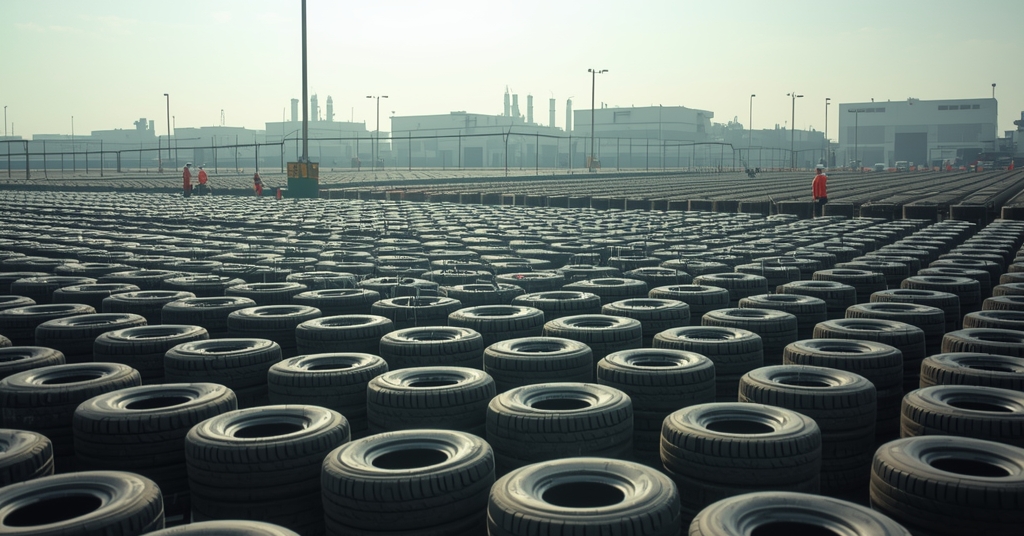
Waste tyre EPR compliance is now a legal requirement for anyone involved in the tyre value chain in India. For a full overview of the service, visit the EPR registration and compliances for waste tyres page.
Failure to meet the obligations can lead to fines, loss of licence and damage to brand reputation. This guide walks you through the framework, who needs to register, how to calculate targets and the practical steps to stay on track.
Understanding waste tyre EPR compliance
The Hazardous and Other Wastes (Management and Transboundary Movement) Rules, 2016, as amended, place the onus of extended producer responsibility on tyre manufacturers, importers, recyclers and retreaders. Under waste tyre EPR compliance, each obligated entity must ensure that the end‑of‑life tyres it puts into the market are collected and processed responsibly.
Compliance is managed through the centralised CPCB waste tyre EPR portal, where registrations, target filings and certificate trading occur. The system is designed to create a transparent market for EPR credits, allowing entities to meet their obligations by either processing tyres themselves or purchasing certificates from registered processors.

Who must register under the waste tyre EPR framework
Obligated parties fall into three clear categories:
- Producers – tyre manufacturers and importers who place new tyres into the Indian market.
- Recyclers – businesses that collect, shred and recover material from waste tyres.
- Retreaders – firms that refurbish used tyres by adding new tread.
Each category has distinct responsibilities, but all must maintain a valid registration on the CPCB portal and file annual returns. For detailed registration steps, see the Waste tyre EPR for producers and Waste tyre EPR for recyclers pages.
Key registration requirements for producers, recyclers and retreaders
Registration is a one‑time process followed by yearly compliance activities. The main steps are:
- Obtain a PAN and GSTIN – these are mandatory for portal access.
- Submit the online application on the CPCB EPR portal for waste tyres, providing details of your business, tyre categories and estimated annual turnover.
- Upload supporting documents such as factory licence, import licence (if applicable) and proof of waste processing capacity for recyclers.
- Pay the registration fee as indicated on the portal.
- Receive a unique registration number, which must appear on all future returns and certificates.
Retreaders follow a similar flow but must also declare the volume of tyres they intend to retread each year. The portal validates the data against national targets, ensuring that the aggregate of all registrations meets the mandated collection percentage.
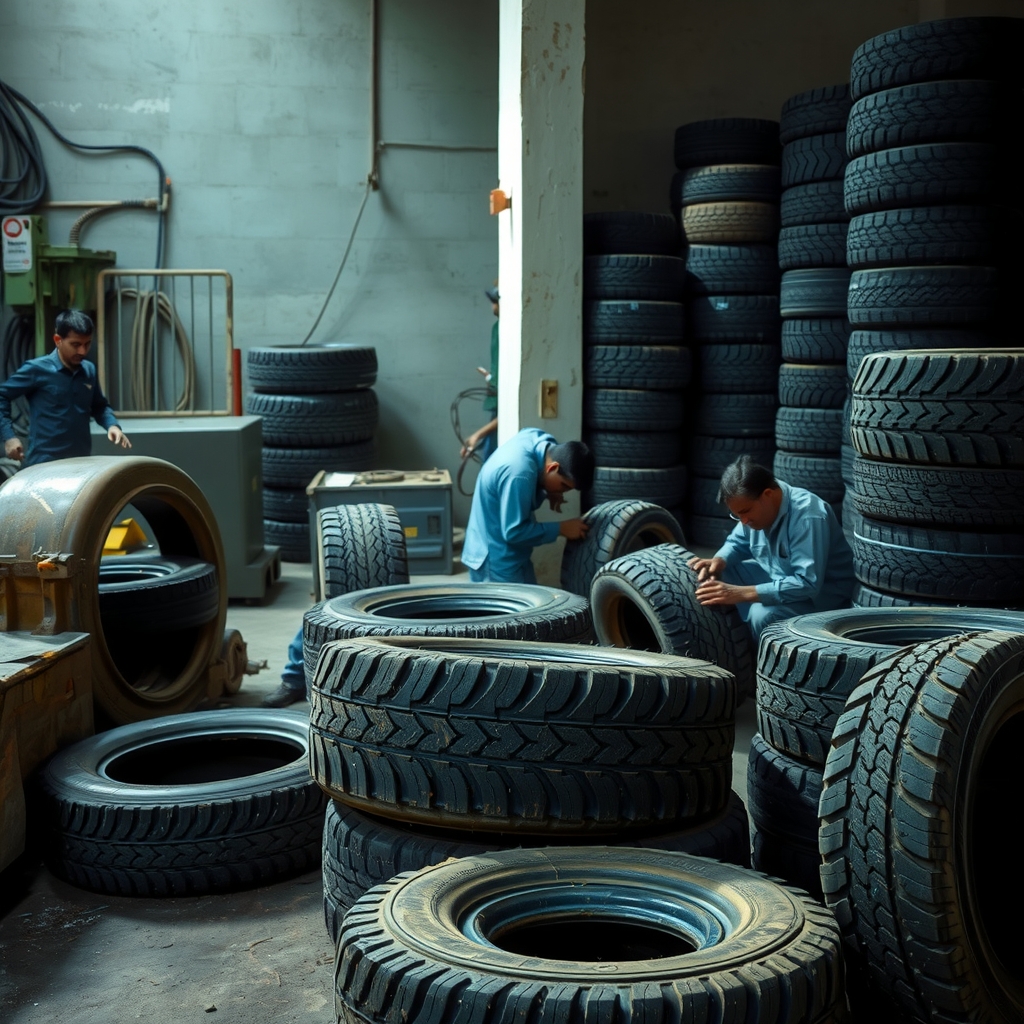
How to calculate and meet your EPR targets
Targets are set as a percentage of the total tyre weight placed on the market in a financial year. The exact percentage is published annually on the CPCB portal; you can check the current target there.
Step‑by‑step calculation for waste tyre EPR compliance
- Determine the total kilograms of tyres you supplied or imported during the year.
- Multiply this figure by the applicable target percentage (for example, 30%).
- The result is the amount of tyre waste you must either process or offset through certificates.
If you are a recycler, your processing capacity can be claimed directly against the target. Producers and retreaders often purchase certificates from certified processors to close any shortfall.
Accurate record‑keeping of tyre volumes, purchase invoices and processing receipts is essential for the next section on reporting.
Buying and trading EPR certificates on the CPCB portal
When a producer or retreader falls short of its target, it can buy EPR certificates from registered recyclers. The CPCB portal hosts a live marketplace where certificates are listed with details of the issuing recycler, the amount of waste covered and the validity period.
Steps to purchase:
- Log in with your registration ID.
- Navigate to the “Buy Certificates” section.
- Select the required quantity and confirm the transaction.
- The portal automatically updates your compliance status and generates a digital receipt.
All transactions are auditable, and the digital receipt serves as proof during the annual return filing. For more on certificate trading, see the Tyre waste EPR credits page.

Reporting, returns and record‑keeping best practices
Annual returns must be filed on the CPCB portal before the deadline announced each year. The return includes:
- Total tyres supplied or imported.
- Quantity of waste processed internally.
- Certificates purchased, with transaction IDs.
- Any surplus credits that can be carried forward.
Maintain a digital folder with:
- Invoices for tyre purchases.
- Processing agreements with recyclers.
- Certificate purchase receipts.
- Correspondence with the CPCB portal (login logs, error screenshots).
Using a simple spreadsheet or dedicated compliance software helps ensure that all data is ready for the filing window. Remember, the focus of waste tyre EPR compliance is transparency; auditors can request any of these records at short notice.
For additional guidance on filing, the EPR compliance for waste tyres service page offers step‑by‑step support.
Common pitfalls and how to avoid them for waste tyre EPR compliance
Many businesses stumble early because they treat the waste tyre EPR compliance process as a one‑time task. In reality, it is an ongoing cycle of data collection, reporting and certificate trading. Below are the most frequent mistakes and practical ways to sidestep them.
- Missing the registration deadline. The CPCB portal closes the annual registration window at a fixed date. Set calendar reminders well before the cut‑off and keep a copy of the acknowledgement email.
- Incorrect tyre‑type classification. Tyres are grouped by size and use (passenger, truck, retread, etc.). Mis‑classifying a batch skews the target calculation and may lead to a shortfall. Use the classification guide available on the CPCB EPR portal for waste tyres before entering data.
- Inadequate record‑keeping. The law requires you to retain transaction logs, purchase invoices and disposal certificates for at least three years. Store these documents digitally with clear naming conventions to speed up any audit.
- Relying on a single recycler. If your sole recycler faces capacity issues, you could miss your quarterly EPR target. Maintain a shortlist of approved recyclers and keep their certificate numbers handy for quick swaps.
- Over‑looking quarterly returns. The CPCB portal expects quarterly filings. Late submissions trigger penalties and may freeze your ability to buy certificates. Schedule a recurring task in your compliance calendar.
By checking these boxes regularly, you turn potential setbacks into routine checkpoints.
Benefits of staying compliant with waste tyre EPR compliance
Beyond avoiding fines, adhering to waste tyre EPR compliance unlocks several strategic advantages.
- Enhanced brand reputation. Consumers and B2B partners increasingly prefer environmentally responsible suppliers. Publicly displaying your EPR certificate can be a differentiator in tender bids.
- Access to government incentives. Certain state schemes reward firms that demonstrate high recycling rates with tax rebates or reduced royalty fees. Check the latest announcements on the CPCB’s list of EPR portals.
- Operational continuity. A valid EPR status is often a prerequisite for obtaining other clearances such as Consent to Operate (CTO) or groundwater NOCs. Keeping your tyre EPR up‑to‑date smooths the path for future expansions.
- Cost‑effective certificate trading. When you consistently meet or exceed your targets, you can sell surplus certificates on the CPCB portal, turning compliance into a revenue stream.
- Risk mitigation. Regular audits and accurate record‑keeping reduce the likelihood of surprise inspections and the associated operational disruptions.
These benefits make waste tyre EPR compliance a business enabler rather than a regulatory burden.
Quick wrap‑up
Achieving waste tyre EPR compliance hinges on three core actions: register on time, calculate targets accurately, and maintain disciplined reporting. Keep an eye on the CPCB portal for certificate availability, and diversify your recycler network to avoid bottlenecks. For detailed assistance, Axis Consultants offers tailored services that cover registration, ongoing filing and certificate management. Staying ahead of the compliance curve not only safeguards your operations but also positions your company as a leader in sustainable tyre management.
Ready to streamline your waste tyre EPR journey? Explore our Our services page for a full suite of environmental compliance solutions.
Frequently Asked Questions on Waste tyre EPR compliance
1. What is waste tyre EPR compliance and who needs it?
Waste tyre EPR compliance is the legal requirement for producers, importers, recyclers and retreaders to manage the end‑of‑life tyre waste in India. The framework, governed by the Hazardous and Other Wastes Rules, mandates registration on the CPCB portal, calculation of recycling targets and annual reporting. All entities that place tyres into the market must comply.
2. How do I calculate my waste tyre EPR compliance target?
Calculate the target by multiplying the total tyre volume you place in the market during the year by the recycling factor prescribed in the CPCB guidelines. The factor varies by tyre type (passenger, truck, retread). Once you have the tonnage, you can meet it through your own processing or by purchasing EPR certificates from approved recyclers.
3. Where can I buy waste tyre EPR compliance certificates?
Certificates are bought and traded on the official CPCB EPR portal for waste tyres. After logging in, navigate to the ‘Buy Certificates’ section, select the required quantity and complete the transaction. The certificates are then automatically linked to your account for reporting.
4. What are the penalties for missing waste tyre EPR compliance deadlines?
Failure to register, submit quarterly returns or meet the prescribed recycling target can attract monetary fines, suspension of your Consent to Operate and possible legal action. The exact penalty amount is listed on the CPCB portal and may vary by state.
5. Can I use the same waste tyre EPR compliance process for multiple plants?
Yes, a single registration can cover multiple manufacturing or processing units, provided each unit’s tyre throughput is reported separately in the quarterly returns. Keep detailed records for each location to simplify audits.
6. How often should I update my waste tyre EPR compliance records?
Records should be updated quarterly when you file returns on the CPCB portal. Additionally, maintain a continuous log of tyre receipts, recycling contracts and certificate purchases so that you can produce a complete audit trail at any time.
Related services and reading
- Tyre retreader registration
- The Growing Role of Sustainability in Small and Medium Enterprises (SMEs)
- Renewable Energy and the Future of Sustainability
- ESG and Business Sustainability: What Companies Need to Know
Need help with waste tyre EPR compliance?
Axis Consultants has helped businesses with EPR, pollution control board consents and environmental approvals for over 17 years, from offices in Dehradun, Chandigarh and Kanpur. Talk to our team, call +91 89600 80401 or +91 63903 45454, or email mail@axiscg.in.
This article is general information, not legal advice. EPR targets, fees and deadlines are revised from time to time, so always check the latest CPCB or State Pollution Control Board notification for your case.

One thought on “Waste tyre EPR Compliance: 5 Proven Tips to Avoid Costly Penalties”