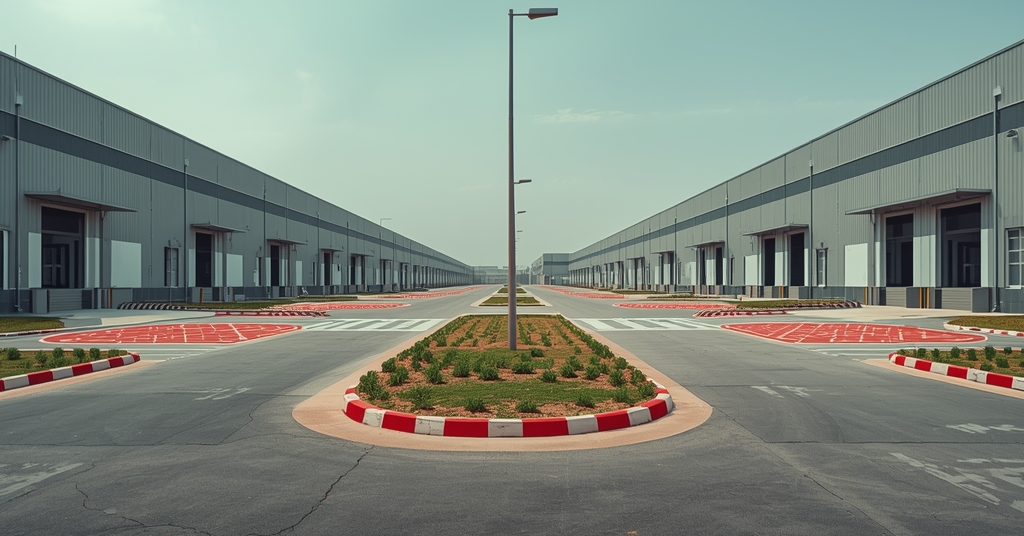
Maintaining fire safety compliance is a mandatory operational responsibility for commercial, institutional, and industrial facilities operating across India. Whether you manage a manufacturing plant, a logistics warehouse, a private hospital, a hotel, or an educational campus, meeting statutory fire prevention standards protects human life, safeguards structural assets, and ensures legal continuity under state fire services rules. You can consult Axis Consultants for dedicated support through professional fire NOC and fire safety compliance solutions tailored to industrial and commercial establishments.
A fire No Objection Certificate (NOC) is not merely a formality obtained during civil construction. It serves as verified evidence that your premises incorporate sufficient passive and active fire protection systems to manage emergencies. Non-compliance often leads to operational disruption, denial of trade licences, or complications during statutory renewals, including factory inspections and environmental reviews.
1. Understanding When Fire Safety Compliance Demands a Fire NOC
Every commercial facility must evaluate whether its operating parameters trigger the requirement for a formal fire NOC. In general, state fire services mandate approvals based on building height, built-up area, intended occupancy type, and hazardous material storage. Assembly buildings like auditoriums, educational institutes, institutional healthcare facilities, star-category hotels, high-density mercantile spaces, and industrial storage warehouses always fall under close regulatory observation.
For manufacturing plants handling flammable raw materials, fuel stores, or combustible scrap, fire approval is closely audited alongside other regulatory requirements. Operating an industrial facility without an approved fire certificate leaves the enterprise vulnerable to abrupt closure orders during routine government checks. It also jeopardises other crucial statutory authorisations, such as factory licences and local municipal operation permits.
Industrial units must understand that safety permissions run concurrently with environmental clearances. For example, if you manage an industrial establishment in North India, you often file your initial approvals through single-window platforms while simultaneously managing your state board consents like CTE and CTO in Uttar Pradesh or seeking CTE and CTO in Uttarakhand via the respective State Pollution Control Board portals.
2. Passive Fire Safety Compliance Features in Building Layouts
Passive fire prevention measures form the primary defensive barrier within any built structure. These features rely on civil architecture rather than mechanical equipment to contain flames, smoke, and heat, allowing occupants adequate time to evacuate safely. During a site inspection, state fire services inspect architectural layout drawings to verify that these passive structural boundaries remain intact and built strictly according to sanctioned building plans.
- Compartmentation: Fire-resistant walls, designated fire doors, and floor slabs divide structures into independent safety zones to arrest fire progression.
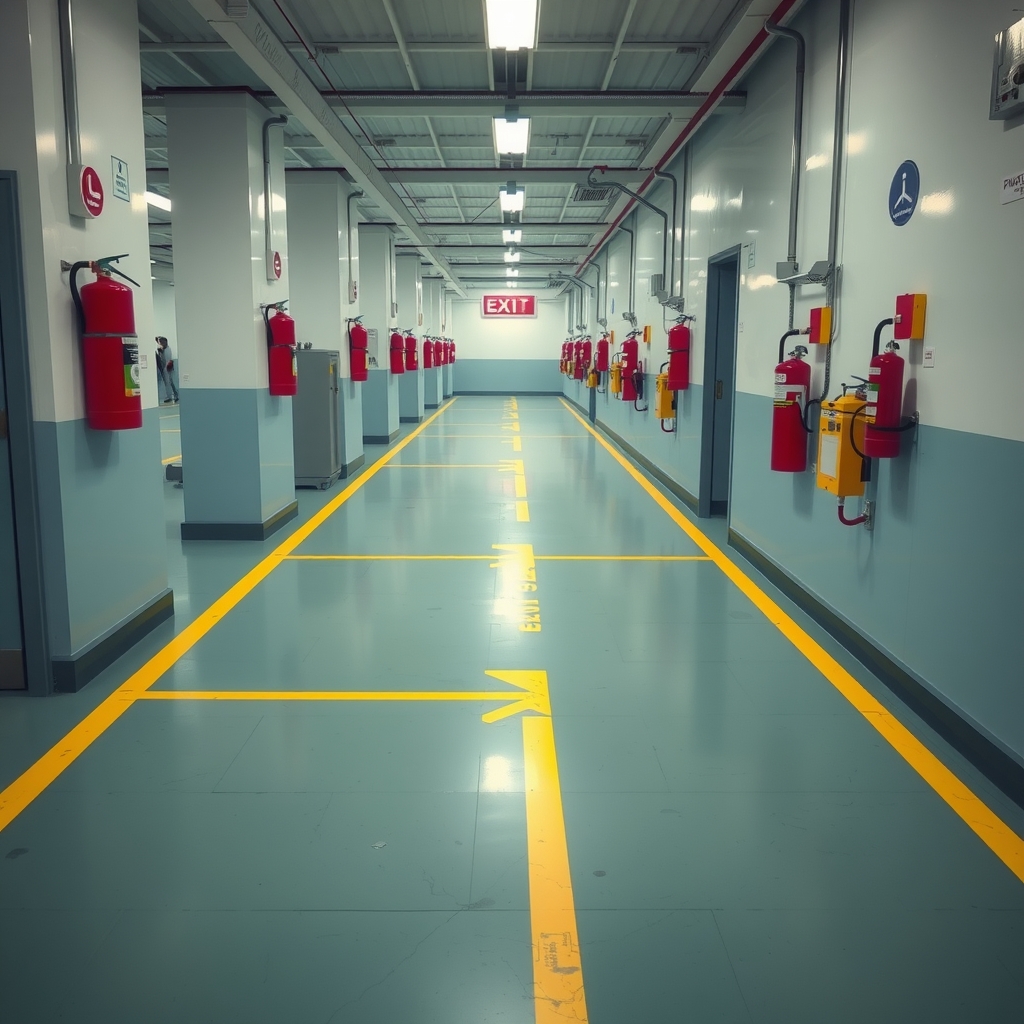
- Safe Means of Escape: Unobstructed exit corridors, smoke-proof stairwells, and emergency doors that swing outwards along the path of egress.
- Setback Spaces: Adequate open space surrounding the facility perimeter to enable high-reach fire department tenders to position safely during an incident.
- Fire-Rated Materials: Application of fire-retardant structural coatings, non-combustible partition panels, and certified fire stop seals around utility conduits.
Modifying internal layouts by introducing temporary partitions, encroaching into designated fire corridors with temporary storage, or locking secondary exit gates directly violates basic structural safety rules. Preserving architectural flow is fundamental if an enterprise wishes to maintain permanent readiness for surprise audits.
3. Active Fire Safety Compliance Systems Every Facility Must Maintain
While passive barriers restrict fire movement, active systems mechanically detect, control, and suppress outbreaks when incidents occur. Achieving comprehensive fire safety compliance requires engineering teams to install, test, and maintain these mechanisms in complete operational readiness at all times.
Essential Active Equipment for Fire Safety Compliance
State fire authorities demand specific combinations of active gear based on the occupancy classification and hazard grading of your unit. Common operational equipment includes:
- Detection and Alarm Systems: Optical smoke sensors, thermal detectors, manual call points, and an addressable central fire alarm panel.
- Portable Extinguishers: Strategically mounted water-CO2, mechanical foam, dry chemical powder, and clean agent extinguishers mapped according to specific fire classes.
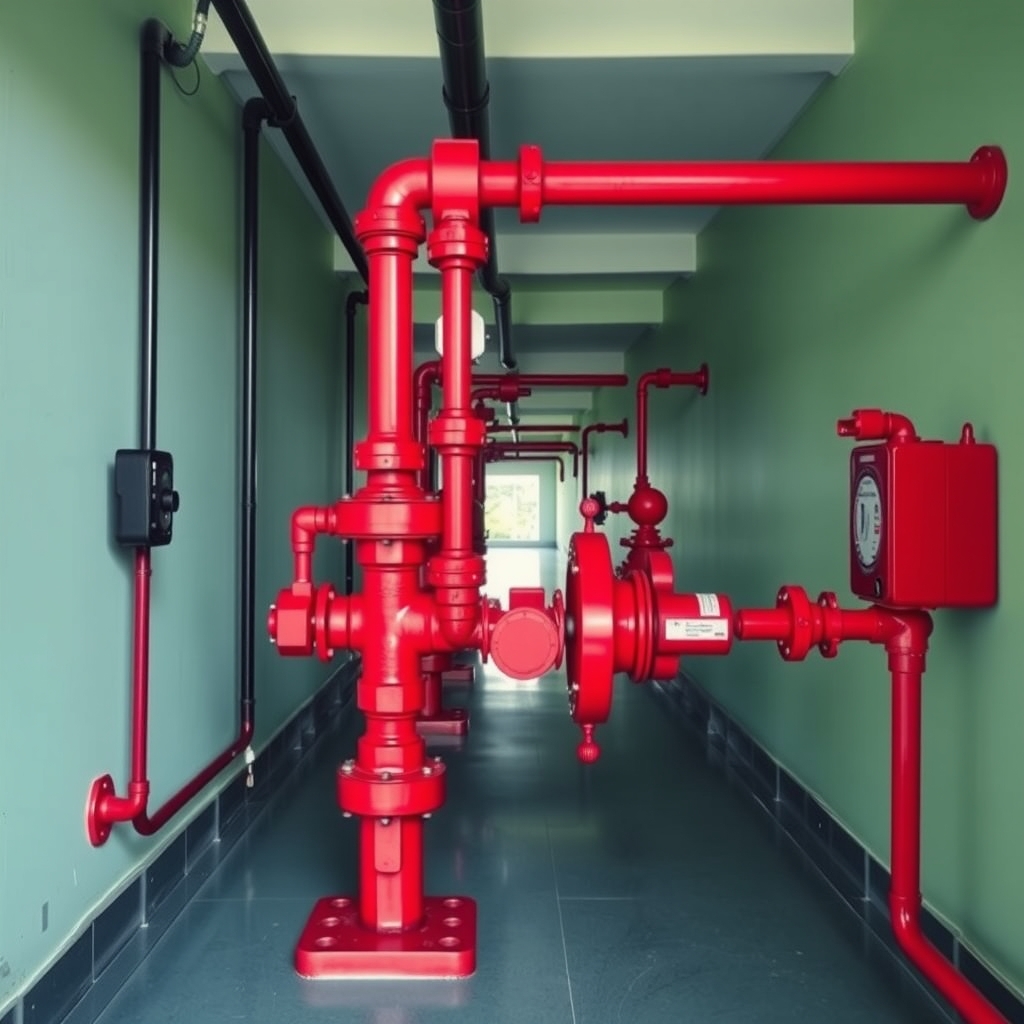
- Hydrant Systems and Wet Risers: Pressurised water delivery networks complete with landing valves, internal hose reels, canvas hoses, and outdoor pillar hydrants.
- Automatic Sprinkler Networks: Ceiling-mounted sprinkler bulb circuits designed to burst and disperse water directly over developing flames.
- Dedicated Water Reserves: Dedicated static underground storage tanks and rooftop overhead emergency tanks reserved exclusively for fire suppression circuits.
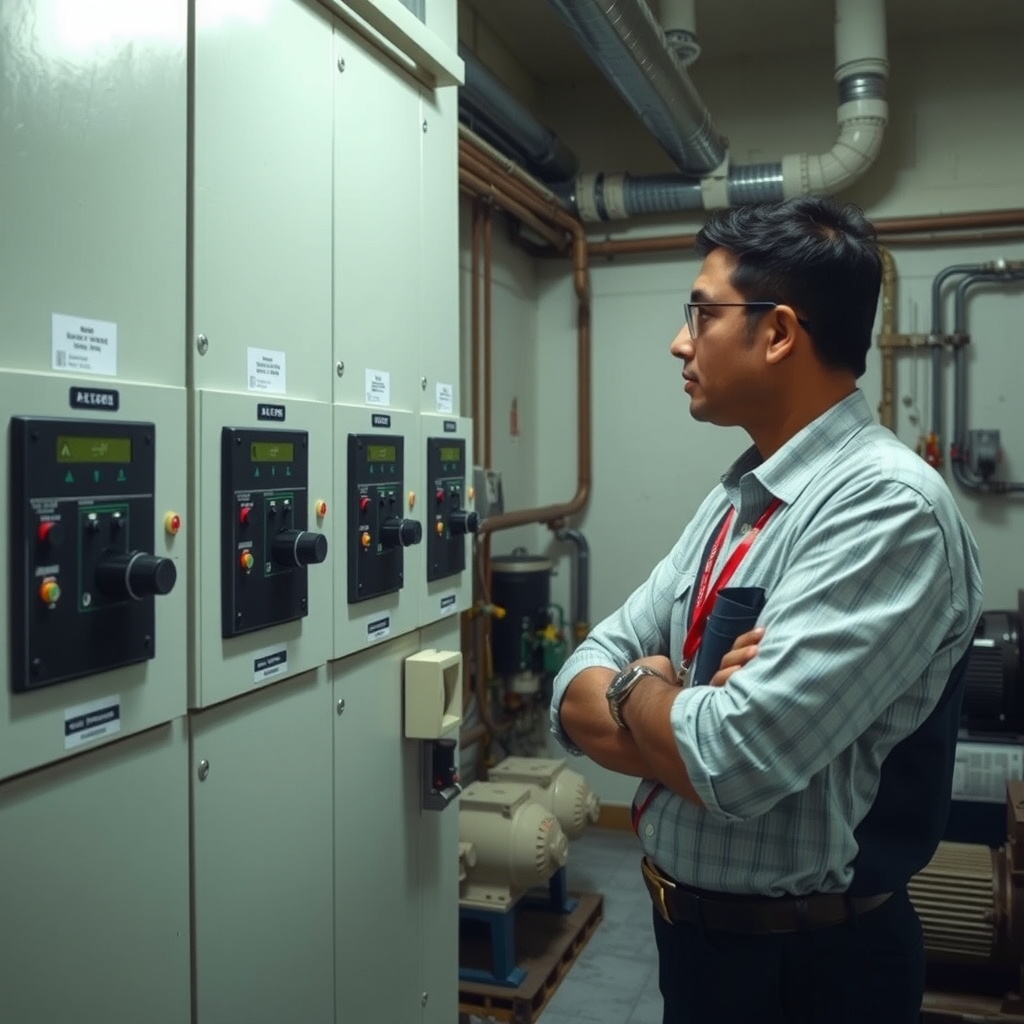
Active systems fail quickly when water pressure declines or electrical panels trip. Regular engineering reviews and mock trials ensure these critical assets function without human intervention during an actual plant incident.
4. Preparing Your Factory for an Official Fire Inspection
The site visit conducted by state fire services officers is the definitive stage of the NOC granting or renewal procedure. Preparing your premises meticulously ahead of the official inspection avoids unexpected deficiencies and re-inspection notices. The inspection panel assesses whether on-ground safety infrastructure matches the technical parameters declared in your submitted application dossiers.
Housekeeping plays a significant role in making a favourable impression. Accumulation of combustible wooden pallets, scrap packaging materials, unmanaged chemical drums, or unkept cardboard near distribution panels flags poor safety culture immediately. Units working on broader compliance objectives, such as handling EPR registration for plastic waste or processing packaging waste, must segregate storage areas so waste does not choke fire egress lines.
Ensure your mechanical fire pumps operate on automatic jockey mode, static water storage levels are maintained at full capacity, emergency exit signage lights illuminate during simulated mains power cuts, and plant technicians hold valid equipment maintenance logs ready for examination on the inspection day.
5. Navigating Digital Portals for State Approvals and Fire Clearances
Across India, fire service administrative systems have largely transitioned to automated, transparent digital platforms. In several states, fire NOC workflows integrate directly into comprehensive industrial licensing frameworks. For example, business operators setting up facilities in Uttar Pradesh frequently register and apply through Nivesh Mitra, the Uttar Pradesh single-window portal, which directs fire applications seamlessly to the concerned regional fire officer.
Likewise, coordinating municipal and fire approvals often runs parallel with environmental consent systems like the UPPCB Online Consent Management & Monitoring System (OCMMS). Operating digital platforms systematically requires uploading scanned architectural layouts, certified equipment layout sheets, safety declaration affidavits, and statutory fee payment challans without clerical errors.
Misaligned documents, such as uploading floor plans that show missing stairwells or unverified underground tank capacities, can stall digital clearance queues for weeks. Axis Consultants assists industrial businesses in compiling, reviewing, and presenting technically sound application packages to avoid unnecessary objections.
6. Integrating Industrial Resource Management with Fire Safety Compliance
Industrial safety is deeply intertwined with overall resource management and environmental compliance. Manufacturing facilities frequently maintain extensive chemical networks, auxiliary diesel generator yards, solvent containers, and waste handling zones, all of which represent heightened fire hazard zones requiring focused attention.
For instance, enterprises drawing bulk subterranean water under a CGWA NOC for groundwater must account for static fire water reserves without compromising regulated abstraction volumes. Fire reserves must remain untouched for general production and be clearly isolated with non-return valves.
Similarly, factories that manage used chemicals, hazardous byproducts, or bulk industrial fluids must align storage protocols with the requirements governing transboundary hazardous waste approvals and hazardous waste handling. Storing combustible wastes alongside main production areas escalates fire hazards exponentially. Safe segregation, adequate earthling pits, flameproof electrical fittings, and containment bunds around storage areas protect units from chemical blazes and regulatory penalties.
7. Common Mistakes That Derail Periodic Fire NOC Renewals
Securing an initial fire NOC upon building completion is only the first step. Fire NOCs carry a defined validity period, requiring periodic renewal through fresh technical reviews and site inspections. Many facility managers mistakenly treat the certificate as a permanent document and overlook renewal timelines, exposing the company to statutory breach.
- Deferred Maintenance: Allowing pressure gauges to drop, leaving fire pump control panels on manual mode, or neglecting seized landing valves.
- Unauthorised Layout Alterations: Adding mezzanines, structural sheds, or temporary offices without revised architectural fire approvals.
- Obstructed Escape Corridors: Storing inventory, heavy machinery parts, or empty packing crates in designated fire staircases and emergency doorways.
- Lapsed Extinguisher Refills: Failing to carry out scheduled annual servicing and pressure testing of portable fire extinguishers.
- Absence of Trained Fire Wardens: Failing to conduct mandatory periodic employee evacuation drills and basic fire equipment training sessions.
Failing a renewal inspection disrupts business normalities and can invalidate property insurance claims if an untoward fire incident occurs during an uncertified period. Staying vigilant preserves institutional safety records.
Summary: Maintaining Long-Term Fire Safety Compliance
Achieving unbroken fire safety compliance requires a structured approach balancing civil design, functional mechanical hardware, diligent documentation, and regular facility audits. Industrial setups, commercial warehouses, healthcare centers, and educational establishments must manage safety standards proactively rather than preparing hastily right before inspection dates. From tracking equipment calibration to submitting digital filings on statutory portals, ongoing compliance protects human lives, preserves infrastructure, and maintains your organisation’s standing with statutory regulatory bodies.
Managing multi-tier statutory mandates—from fire clearances to waste authorisations such as EPR registration for e-waste or EPR registration for battery waste—becomes straightforward with the right professional advice. You can discover more regarding our comprehensive regulatory advisory solutions on our services page, learn about the veteran technical background of About Axis Consultants, or reach out directly through our team via contact us to discuss your plant audits and licensing pathways.
Frequently Asked Questions on Fire safety compliance
1. What is the primary purpose of fire safety compliance for factories?
The primary purpose of fire safety compliance is protecting lives, preserving capital assets, and preventing industrial hazards. It ensures facilities install adequate passive fire barriers, operational active suppression tools, and safe egress paths, satisfying state fire services regulations and maintaining legal business continuity.
2. Which facilities are legally required to obtain a fire NOC?
A fire NOC is typically required for industrial manufacturing plants, commercial storage warehouses, multi-storey corporate buildings, educational institutions, hospitals, assembly auditoriums, and hotels. Criteria depend primarily on building height, total covered area, occupant load, and the nature of combustible or hazardous materials stored on site.
3. How often must an industrial unit renew its fire safety compliance certification?
Fire NOC validity periods vary depending on state fire rules, facility risk classification, and building occupancy type. Obligated establishments must check their existing certificate terms and state regulations to apply for timely renewals before expiration, avoiding disruption to their underlying operational licences.
4. Can modifications to factory layouts affect our existing fire safety compliance?
Yes, modifying factory layouts can invalidate existing safety approvals. Adding temporary storage partitions, constructing unauthorised mezzanine floors, or closing off designated evacuation corridors restricts emergency movement and breaches approved architectural drawings, leading to official inspection objections during periodic renewal evaluations.
5. What common deficiencies are noted during a fire safety inspection?
Inspectors frequently cite non-functional smoke alarms, low water pressure in hydrants, uncharged dry chemical extinguishers, locked fire exits, clutter in stairwells, uncalibrated pump automation panels, and poor electrical panel maintenance as significant reasons for withholding approval during site visits.
6. How do state single-window portals simplify fire clearance applications?
State single-window portals streamline administrative submissions by unifying clearances into one online tracking platform. Applicants upload architectural blueprints, structural safety certificates, and fire layout sheets digitally, enabling departmental officials to verify drawings and schedule on-site safety assessments systematically.
Related services and reading
- Waste tyre EPR Compliance: 5 Proven Tips to Avoid Costly Penalties
- The Growing Role of Sustainability in Small and Medium Enterprises (SMEs)
- Renewable Energy and the Future of Sustainability
Need help with fire safety compliance?
Axis Consultants has helped businesses with EPR, pollution control board consents and environmental approvals for over 17 years, from offices in Dehradun, Chandigarh and Kanpur. Talk to our team, call +91 89600 80401 or +91 63903 45454, or email mail@axiscg.in.
This article is general information, not legal advice. EPR targets, fees and deadlines are revised from time to time, so always check the latest CPCB or State Pollution Control Board notification for your case.