Table of Contents
ToggleWhy Are Beaches Environmentally Important?
Beaches are much more than recreational destinations. They form an important connection between terrestrial and marine ecosystems, supporting a wide variety of plant and animal species. Many coastal ecosystems depend on healthy beaches to maintain ecological balance and biodiversity. In addition to supporting wildlife, beaches play a significant role in protecting coastlines from erosion and extreme weather events. They also contribute to local economies through tourism, fisheries, and recreational activities, making them valuable environmental and economic resources.How Do Beaches Support Marine Ecosystems?
Beaches serve as important habitats, nesting grounds, and feeding areas for many species of marine and coastal wildlife. Animals such as sea turtles, crabs, seabirds, and numerous fish species depend on healthy coastal environments during different stages of their life cycles. These ecosystems also support biodiversity by providing shelter and resources for various organisms. A healthy beach ecosystem contributes to the overall health of nearby oceans and helps maintain balanced marine food chains.What Are the Environmental Benefits of Clean Beaches?
Clean beaches help maintain healthy coastal ecosystems by reducing pollution and protecting wildlife from harmful waste. They improve water quality, reduce environmental hazards, and create safer habitats for marine organisms and coastal vegetation. In addition to environmental benefits, clean beaches enhance visitor experiences and support sustainable tourism. Well-maintained beaches attract tourists, generate economic opportunities, and help preserve the natural beauty of coastal destinations.How Does Plastic Pollution Affect Coastal Environments?
Plastic pollution is one of the most significant environmental challenges affecting beaches worldwide. Plastic bottles, bags, food packaging, fishing gear, and other debris often accumulate along shorelines and can eventually enter marine ecosystems. Over time, larger plastic items break down into smaller particles known as microplastics. These particles can be ingested by marine animals, affecting their health and potentially entering food chains. Reducing plastic waste is therefore essential for protecting coastal and marine environments.Why Is Protecting Marine Life Important?
Marine life plays a vital role in maintaining healthy ocean ecosystems. Species such as fish, turtles, crustaceans, and seabirds contribute to ecological balance by participating in food chains and supporting natural ecosystem functions. The loss or decline of marine species can affect biodiversity and disrupt ecosystem stability. Protecting marine life helps preserve healthy oceans, supports fisheries, and contributes to long-term environmental sustainability.How Do Beaches Help Protect Coastlines?
Beaches act as natural barriers that help absorb wave energy and reduce the impact of storms and coastal flooding. Features such as sand dunes and coastal vegetation help stabilize shorelines and protect inland areas from erosion. Healthy beaches also reduce the effects of strong winds and storm surges. By maintaining natural coastal defenses, beaches play an important role in protecting communities, infrastructure, and ecosystems located near coastlines.How Can Tourism Impact Beach Ecosystems?
Tourism provides economic benefits for many coastal communities by supporting businesses, creating employment opportunities, and encouraging local development. However, increasing visitor numbers can also place pressure on beach ecosystems if not managed responsibly. Improper waste disposal, excessive plastic use, disturbance of wildlife, and damage to coastal vegetation can negatively affect beaches. Responsible tourism practices help minimize these impacts while ensuring that coastal environments remain healthy and attractive for future generations.How Can Visitors Help Keep Beaches Clean and Safe?
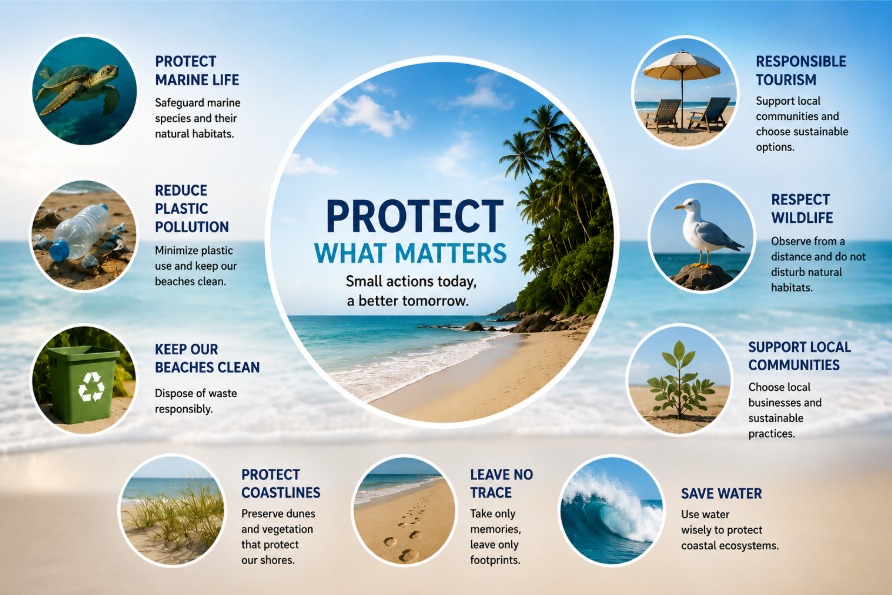
Visitors can contribute by disposing of waste responsibly, reducing the use of single-use plastics, respecting wildlife habitats, and following local environmental guidelines. Simple actions such as carrying reusable bottles and bags can significantly reduce waste generation. Participating in beach clean-up activities, staying on designated pathways, and encouraging environmentally responsible behavior among others can also help protect coastal ecosystems. Collective efforts from visitors play an important role in preserving beaches and marine environments.Conclusion
Beaches are valuable ecosystems that support biodiversity, protect coastlines, and provide economic and recreational benefits to communities around the world. Their environmental importance extends far beyond tourism, making their protection essential for long-term sustainability. By understanding the role beaches play in supporting marine ecosystems and adopting responsible tourism practices, individuals can contribute to cleaner coastlines, healthier oceans, and a more sustainable future for coastal communities and wildlife.Frequently Asked Questions (FAQs)
1.What Are the Most Common Beach Pollutants?
Plastic waste, cigarette butts, food packaging, fishing gear, and other litter are among the most common pollutants found on beaches worldwide.
2. What Are Simple Ways to Protect Beaches During Visits?
Visitors can avoid littering, reduce plastic use, respect wildlife, use designated pathways, and participate in clean-up activities. Small actions can collectively make a significant difference in protecting coastal environments.
3. What Are Microplastics?
Microplastics are tiny plastic particles formed when larger plastic items break down over time. These particles can be consumed by marine organisms and may eventually enter food chains.
4. What Is Marine Pollution?
Marine pollution refers to the introduction of harmful substances such as plastics, chemicals, sewage, and waste into oceans and coastal environments. It can negatively affect marine life, water quality, and ecosystem health.
5. How Do Beaches Support Local Economies?
Beaches attract tourists and support businesses such as hotels, restaurants, transport services, and recreational activities. This creates employment opportunities and contributes to economic development.